


16 Best Loyalty Programs For Restaurants (2026 Guide)
A repeat customer spends up to 67% more than a new one. That's not a marketing platitude, it's the financial case for why the best loyalty programs for restaurants aren't optional anymore. They're a direct lever on your bottom line.
But not all loyalty programs are built the same. Some lock your customer data behind a third-party wall. Others charge per transaction or bury your brand under someone else's app. The programs that actually work give you ownership of the relationship, the contact info, the order history, the ability to reach your customers whenever you want.
That's something we care about deeply at The Foody Gram. Our commission-free online ordering platform is built around the idea that restaurants should own their customer relationships, not rent them. A strong loyalty program plugs right into that philosophy, turning one-time orders into regulars who keep coming back through your branded website.
In this guide, we break down 16 restaurant loyalty programs worth considering in 2026, from app-based points systems to simple punch cards and everything in between. For each one, you'll get a clear look at how it works, what it costs, and what type of restaurant it fits best.
1. The Foody Gram
The Foody Gram is a commission-free online ordering platform that gives independent restaurants the tools to build direct customer relationships without handing over data or margin to third-party apps. Rather than offering a points system bolted onto someone else's ecosystem, The Foody Gram puts customer data ownership at the center of your loyalty strategy. Every order placed through your branded website is yours to act on.
How it works
When customers order through your custom-branded restaurant website, The Foody Gram captures their contact information, order history, and preferences directly into your account. You use that data to reach customers with promotions, re-engagement campaigns, and personalized offers through your own channels. The platform handles the technical side, including menu uploads, updates, and order management, so you spend time on relationships instead of dashboards.
Owning your customer data is the foundation of any loyalty program that actually works long-term.
Best fit for
The Foody Gram works best for independent restaurants and small groups with one to three locations that want to stop paying 20-30% commissions to third-party apps and start building a customer base they actually own. Pizzerias, casual dining spots, and fast-casual restaurants see the strongest fit because their customers order repeatedly and respond well to direct outreach.
Standout features to copy
Three features stand out for restaurants focused on loyalty:
- Direct customer data access - full name, email, order history, and frequency without any platform middleman
- Branded website ordering - customers associate every order with your restaurant, not a delivery app
- Pre-order and reservation tools - letting regulars plan ahead deepens the habit loop that loyalty programs depend on
Potential drawbacks
The Foody Gram does not include a built-in points or rewards engine out of the box, so you need to layer a separate loyalty tool or run manual promotions to reward repeat customers. Restaurants that want a fully automated stamp-card or tiered-rewards system will need to integrate a third-party tool alongside the platform.
Pricing and costs
The Foody Gram runs on a flat monthly subscription ranging from $159 to $199 for standard tiers, with no per-order commissions, no setup fees, and no long-term contracts. The platform also includes a 45-day money-back guarantee, which removes the risk of testing it against your current setup.
2. Toast Loyalty
Toast Loyalty is a built-in rewards program tied directly to the Toast point-of-sale system. If your restaurant already runs on Toast hardware and software, this is the most friction-free way to add a loyalty layer without managing a separate integration.
How it works
Customers enroll by providing their phone number or email at checkout, either in person or through Toast's online ordering platform. Every dollar they spend earns points, and those points convert to reward dollars redeemable on future visits. Because the program runs inside the Toast POS ecosystem, redemptions and point tracking happen automatically at the register with no manual lookups.
The tighter the loyalty program integrates with your POS, the fewer errors and the smoother the customer experience at checkout.
Best fit for
Toast Loyalty fits full-service and fast-casual restaurants that already pay for Toast POS and want to consolidate their tech stack. It is especially useful for restaurants with high dine-in volume where staff can enroll customers face-to-face during the transaction.
Standout features to copy
- Automatic enrollment prompts at checkout reduce sign-up friction
- Email and SMS marketing tools built into the same platform for direct follow-up
- Tiered reward structures to incentivize higher spending per visit
Potential drawbacks
Toast Loyalty is only available to Toast POS customers, so switching requires committing to their full hardware and software ecosystem. Restaurants on other POS systems cannot access this program without migrating their entire setup.
Pricing and costs
Toast Loyalty is an add-on module priced separately from core Toast plans. Costs vary based on your existing subscription tier, and Toast typically requires a custom quote for bundled pricing.
3. Square Loyalty
Square Loyalty is a standalone rewards add-on for restaurants already using Square POS or Square for Restaurants. It brings a clean, simple points system to your checkout flow without requiring a separate app or complicated integration work.
How it works
Customers enroll using their phone number at the point of sale, either in person or through Square's online ordering flow. Each purchase earns points based on rules you define, such as points per dollar spent or points per visit. When customers hit a threshold, they receive a reward redeemable at checkout automatically, with no manual tracking required on your end.
Simplicity at the point of enrollment is one of the most underrated elements in the best loyalty programs for restaurants.
Best fit for
Square Loyalty fits small to mid-sized independent restaurants that already process payments through Square and want a low-setup rewards program without committing to a more complex platform. Counter-service spots and fast-casual concepts with quick transaction cycles get the most value here since high visit frequency drives faster reward redemption and repeat behavior.
Standout features to copy
- Customizable earning rules that let you reward by visit, dollar amount, or item purchased
- Automated SMS notifications to enrolled customers when rewards are available
- Built-in reporting dashboard showing visit frequency, top customers, and redemption rates
Potential drawbacks
Square Loyalty is only available inside the Square ecosystem, so switching POS systems means losing your loyalty setup entirely. The program also lacks advanced segmentation or tiered reward structures that larger or growing restaurant groups typically need.
Pricing and costs
Square Loyalty starts at $45 per month per location, billed on top of your Square POS subscription. Pricing scales based on the number of loyalty visits recorded per month.
4. Paytronix
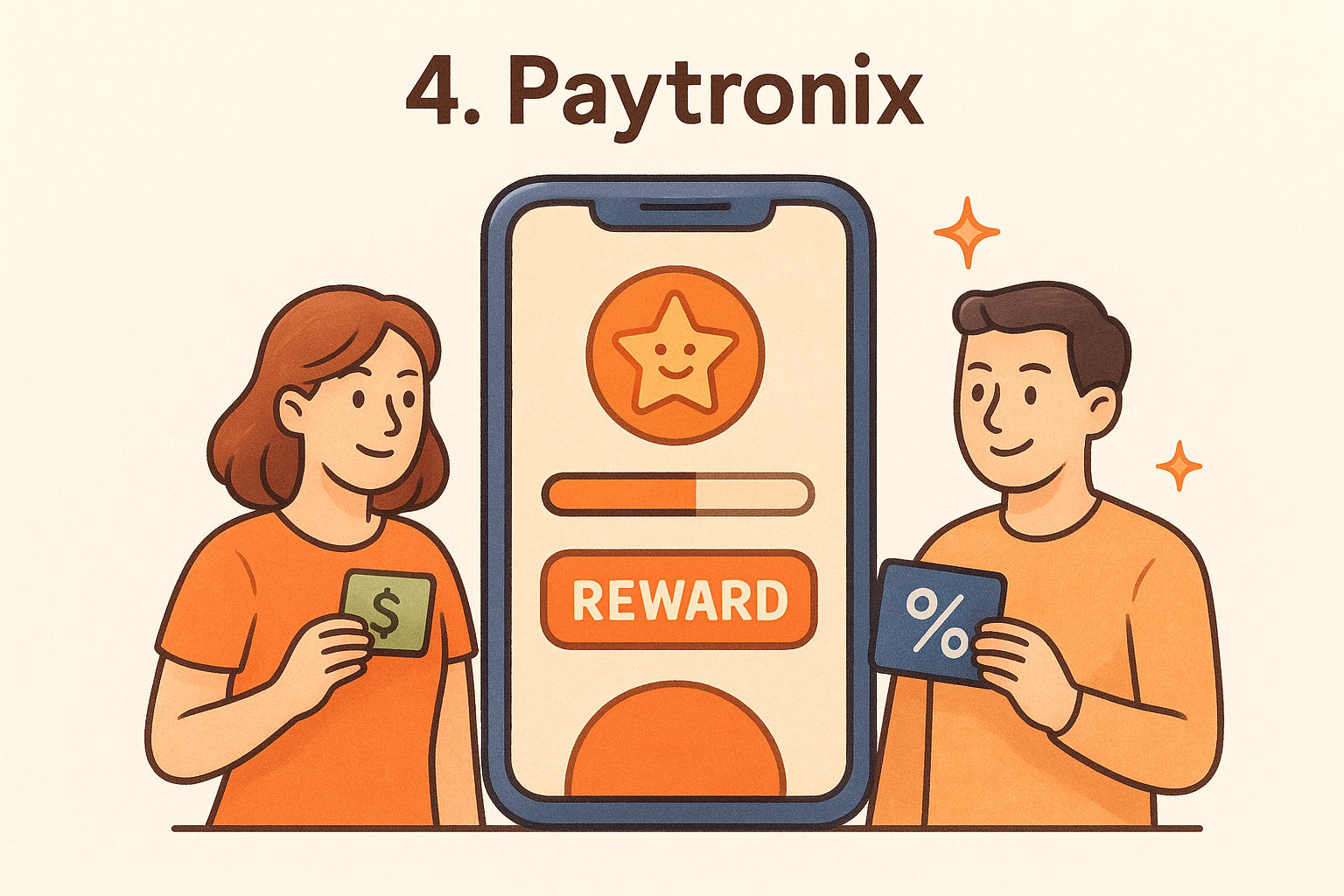
Paytronix is an enterprise-grade loyalty and guest engagement platform built specifically for restaurant brands. It goes well beyond basic points tracking, giving you tools to segment your customer base, automate personalized campaigns, and connect loyalty data directly to your POS system.
How it works
Customers enroll through your branded mobile app, website, or in-store terminal and earn points or rewards based on purchase behavior you define. Paytronix connects to your POS system to pull transaction data automatically, then uses that data to trigger personalized messages, offers, and tier upgrades without manual effort on your end.
Best fit for
Paytronix fits mid-size to large restaurant chains and multi-location operators that need more than a simple points program. If you run several locations and want centralized reporting, advanced customer segmentation, and automated re-engagement campaigns across your entire brand, this platform is built for that scale.
Standout features to copy
- AI-driven personalization that sends different offers to different customer segments based on visit frequency and spend
- Integrated gift card and stored-value programs that run alongside your loyalty rewards
- Real-time customer data synced directly from your POS for accurate, actionable reporting
Segmenting customers by actual purchase behavior and serving each group a different offer is what separates a real loyalty program from a blanket discount.
Potential drawbacks
Paytronix is built for larger operators, and the complexity of its feature set can overwhelm smaller independent restaurants. Setup requires significant onboarding time, so this platform is not the right fit if you need something live within a week.
Pricing and costs
Paytronix does not publish pricing publicly. You need to contact their sales team for a custom quote, which typically reflects the size of your operation and the specific features included in your agreement.
5. Punchh by PAR
Punchh by PAR is a loyalty and customer engagement platform designed for restaurant brands that operate at scale. PAR Technology acquired Punchh to build it into a broader restaurant technology suite, and today it powers some of the best loyalty programs for restaurants running at the quick-service and fast-casual level across the country.
How it works
Customers enroll through your branded mobile app or website and earn points on every qualifying purchase. Punchh connects directly to your POS system to track transactions automatically, then triggers personalized offers, challenges, and rewards based on each customer's behavior. The platform also runs campaign automation, so you can re-engage lapsed customers without managing each outreach manually.
Best fit for
Punchh fits mid-to-large restaurant chains with the IT resources and budget to implement an enterprise platform. Brands running 100 or more locations that need consistent loyalty execution across every site will get the most out of what this platform offers.
When you operate at scale, a loyalty platform that syncs across every location in real time is not a luxury, it is a requirement.
Standout features to copy
- Gamified challenges and bonus point events that drive short-term engagement spikes between visits
- AI-powered customer segmentation for targeted campaign delivery based on real purchase behavior
- Deep POS integrations with major systems including PAR Brink
Potential drawbacks
Punchh is built for enterprise operators, which means smaller or independent restaurants will find the pricing and implementation timeline hard to justify. The platform requires dedicated IT support during setup and ongoing management.
Pricing and costs
Their team does not publish standard pricing online. You need to contact sales directly for a custom quote based on your number of locations and the specific features included in your agreement.
6. Thanx
Thanx is a spend-based loyalty platform that connects directly to your POS system to track customer purchases without requiring staff to prompt a phone number or scan a card at every visit. The platform focuses on automating customer retention so you spend less time managing the program and more time running your restaurant.
How it works
Customers link their credit or debit card to the Thanx program, and every qualifying purchase at your restaurant earns rewards automatically. There is no app to download and no phone number to type in at the register. Thanx syncs with your POS transaction data in the background to identify returning customers and trigger personalized offers based on their actual spending patterns.
Card-linked loyalty removes the biggest friction point in most programs: getting customers to opt in at the register.
Best fit for
Thanx works well for full-service and fast-casual restaurants that want a seamless enrollment experience without training staff to pitch a loyalty sign-up on every transaction. Restaurants targeting higher-spend customers who pay by card consistently get the most value from this model, and it ranks among the more hands-off of the best loyalty programs for restaurants at this price tier.
Standout features to copy
- Card-linked enrollment that removes sign-up friction entirely
- Automated win-back campaigns for lapsed customers based on purchase gaps
- Personalized offers triggered by individual spending thresholds
Potential drawbacks
Thanx relies entirely on card-linked transactions, so cash-paying customers fall completely outside the program. This limits coverage in restaurants where a meaningful share of sales still runs through cash.
Pricing and costs
Thanx does not publish standard pricing publicly. You need to contact their sales team directly for a custom quote based on your location count and the specific features included in your agreement.
7. FiveStars
FiveStars is a small business loyalty platform that blends a digital rewards program with automated marketing tools in one package. It targets independent restaurants and local businesses that want to run loyalty without hiring a marketing team or managing multiple software subscriptions.
How it works
Customers sign up using their phone number at a tablet kiosk placed at your counter. Once enrolled, they earn points on every visit or purchase, and FiveStars automatically sends text and email promotions to bring them back when they go quiet. The platform tracks visit frequency and spending behavior behind the scenes, so you know which customers are slipping away before they stop coming entirely.
Best fit for
FiveStars fits independent restaurants and single-location operators that need a simple, low-maintenance loyalty setup without a dedicated IT team. Counter-service spots and neighborhood restaurants with regular walk-in traffic benefit most because the tablet enrollment model works naturally at a counter where customers pause during checkout.
One of the most overlooked qualities in the best loyalty programs for restaurants is how little daily management they require once the program is live.
Standout features to copy
- Automated win-back campaigns triggered when a customer has not visited in a set number of days
- A simple tablet kiosk enrollment flow that any staff member can operate without formal training
Potential drawbacks
FiveStars has limited POS integration options compared to platforms built specifically for restaurants. Reporting tools are also less granular than enterprise-level alternatives, which makes it harder to segment your customer base beyond basic visit frequency.
Pricing and costs
FiveStars does not publish standard pricing on its website. You need to contact their sales team directly for a quote based on your location count and specific program requirements.
8. Belly
Belly was a digital loyalty platform built around iPad kiosks placed at the point of sale, letting customers check in and earn points directly on a branded tablet screen. The platform targeted independent businesses and small restaurant operators looking for a simple, tech-forward alternative to paper punch cards. Belly was acquired by Mobivity in 2017 and no longer operates as a standalone product, but the model it pioneered still offers lessons worth studying when you evaluate the best loyalty programs for restaurants.
How it works
Customers walked up to a branded iPad kiosk at the counter, tapped in their phone number or scanned a QR code, and logged their visit. Each check-in earned points redeemable for rewards the restaurant owner defined, such as a free item, a discount, or a branded experience. The kiosk also collected basic customer data that fed back into a reporting dashboard.
Best fit for
Belly fit counter-service restaurants and neighborhood cafes with a consistent walk-in customer base where a kiosk at the counter felt natural rather than intrusive.
Standout features to copy
- A physical in-store check-in flow that made enrollment feel like part of the visit rather than an interruption
- Owner-defined rewards that gave restaurants full control over what customers could redeem
Giving customers a choice of rewards rather than a single preset offer increases perceived value without raising your actual cost per redemption.
Potential drawbacks
Belly's reliance on a dedicated hardware kiosk created maintenance costs and a single point of failure if the tablet went offline or broke.
Pricing and costs
Belly is no longer available as an active product following its acquisition and wind-down.
9. Starbucks Rewards
Starbucks Rewards is one of the most studied loyalty programs in the food and beverage industry, with over 34 million active US members driving a significant share of total company revenue. Independent restaurants cannot license it directly, but it gives you one of the clearest blueprints for what the best loyalty programs for restaurants can achieve when loyalty and ordering are fully connected.
How it works
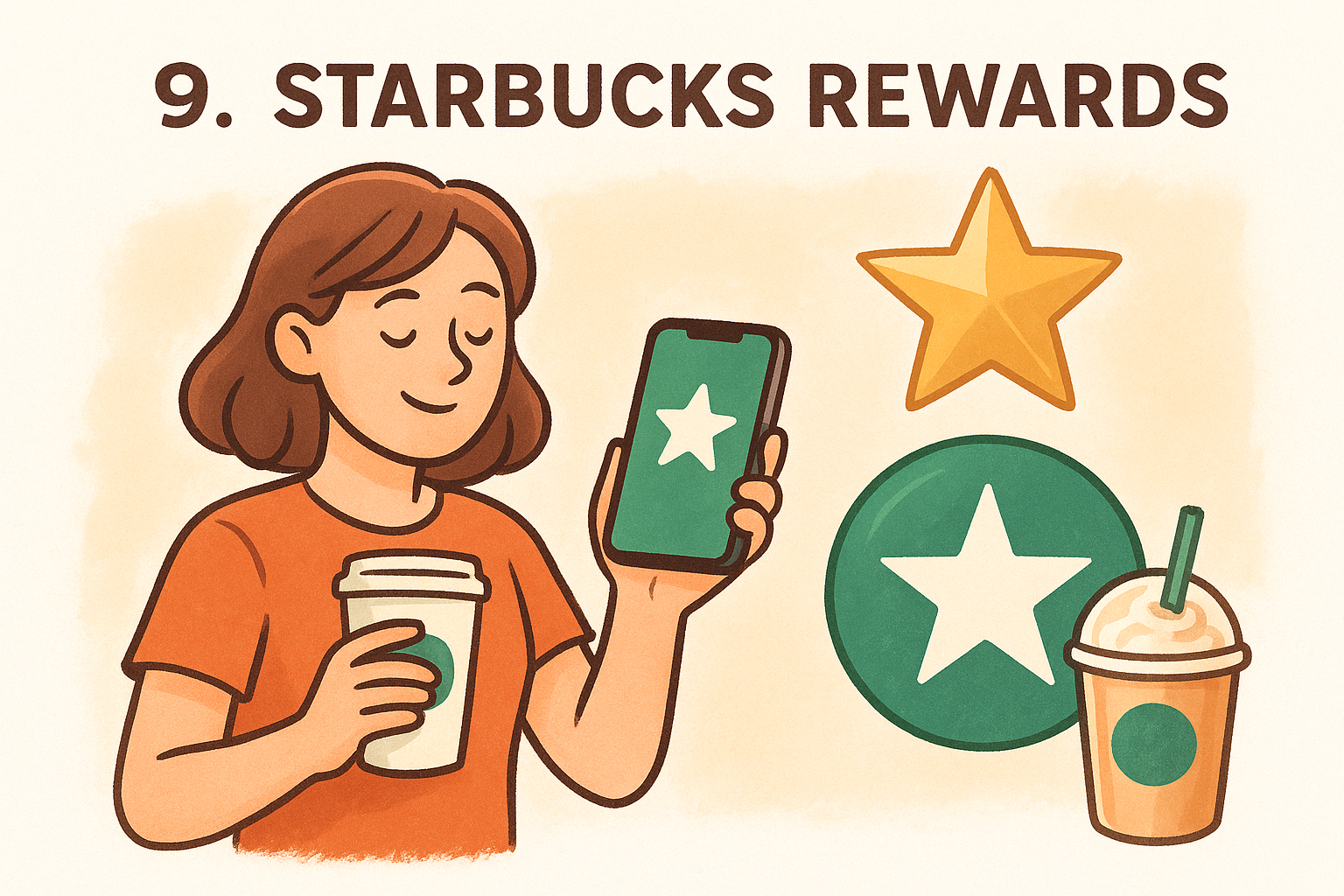
Customers earn Stars on every purchase made through the Starbucks mobile app, with accumulation rates that vary by spend level. Stars unlock free drinks, food items, and customizations at defined thresholds. The app also handles mobile ordering and payment, which reduces wait time and builds the daily return habit that makes the program so effective.
Best fit for
Starbucks Rewards is a proprietary first-party program built exclusively for Starbucks, so you cannot replicate it directly. It works best as a strategic reference point when you are designing your own tiered reward structures and mobile ordering incentives.
Tying your loyalty program directly to your ordering channel creates a compounding habit loop that drives both visit frequency and average spend.
Standout features to copy
- Tiered earning rates that reward higher spenders with faster point accumulation
- Mobile ordering integration that removes checkout friction entirely
- Personalized birthday rewards that make customers feel individually recognized
Potential drawbacks
The program requires customers to pay through the app to earn Stars, which cuts out anyone who prefers cash or card at the counter. That tradeoff works for Starbucks but may not suit every restaurant format or customer base.
Pricing and costs
Starbucks Rewards is a proprietary internal build with no licensing option available. Replicating a comparable experience requires either a significant custom development investment or a third-party loyalty platform layered onto your existing ordering system.
10. Chick-fil-A One
Chick-fil-A One is a tiered loyalty program embedded in the Chick-fil-A mobile app, consistently ranked among the best loyalty programs for restaurants in the quick-service sector. With tens of millions of active members, it shows how a fast-food brand can use a structured tier system to turn occasional visitors into loyal regulars who feel genuinely recognized.
How it works
Customers earn points per dollar spent on every order placed through the app, whether they order ahead for pickup or scan at the counter. Points accumulate across four membership tiers: Member, Silver, Red, and Signature. Each tier unlocks greater reward flexibility, and higher tiers give customers access to exclusive menu items and surprise rewards that lower tiers cannot access.
Tiered programs create aspirational spending behavior because customers can see exactly what they stand to gain by visiting more often.
Best fit for
Chick-fil-A One is a proprietary internal program that you cannot license directly. It serves as a strong model for any restaurant owner designing a tier-based incentive structure that rewards your most valuable customers differently from occasional visitors.
Standout features to copy
- Surprise and delight rewards sent to top-tier members without them having to redeem points
- Clear tier progress indicators inside the app that show customers how close they are to the next level
Potential drawbacks
The program is app-dependent, which means customers who prefer ordering in person without a smartphone are excluded from earning points entirely.
Pricing and costs
Chick-fil-A One is a proprietary build with no licensing option available for independent operators.
11. MyMcDonald's Rewards
MyMcDonald's Rewards launched in the US in 2021 and grew into one of the largest loyalty programs in fast food, with tens of millions of active users across the country. For independent restaurant owners studying the best loyalty programs for restaurants, it demonstrates how a straightforward points structure tied to a branded app can lift both visit frequency and average spend.
How it works
Customers earn 100 points for every dollar spent on orders placed through the McDonald's app. Points redeem across four tiers, from small menu items at 1,500 points to premium items at 6,000 points. The app also handles mobile ordering, exclusive deals, and personalized offers based on each customer's purchase history, so the loyalty program and the ordering channel directly reinforce each other.
Best fit for
MyMcDonald's Rewards is a proprietary internal program with no licensing option for outside operators. Use it as a reference when designing a points-per-dollar earning structure that gives customers multiple redemption choices at different thresholds rather than a single fixed reward.
Giving customers control over what they redeem increases the perceived value of every point without raising your actual cost per reward.
Standout features to copy
- Tiered redemption options that let customers choose their reward based on accumulated points
- App-exclusive limited-time offers that push customers to order through your branded digital channel
Potential drawbacks
The program is entirely app-dependent, which excludes customers who prefer in-person counter ordering without a smartphone. Any restaurant replicating this model needs to account for the enrollment drop-off that comes with requiring an app download before a customer earns their first point.
Pricing and costs
MyMcDonald's Rewards is a proprietary internal build with no licensing option available to outside operators.
12. Subway MVP Rewards
Subway MVP Rewards launched in 2023 as a replacement for Subway's earlier token-based system, shifting to a points-per-dollar earning model with three membership tiers. For restaurant owners studying the best loyalty programs for restaurants, it shows how a high-frequency, low-average-ticket brand structures tiered incentives to keep customers coming back week after week.
How it works
Customers earn points on every dollar spent through the Subway app, website, or in-store by scanning a QR code at checkout. Three tiers, MVP, All-Star, and Hall of Fame, unlock increasing point multipliers and exclusive offers as customers spend more over time. Redemptions start at accessible thresholds, which keeps the reward feeling within reach on a regular visit rather than something customers have to work toward for months.
Best fit for
Subway MVP Rewards is a proprietary internal program with no licensing option for independent operators. Use it as a reference model when designing tier thresholds and multiplier structures for a restaurant concept where customers visit frequently but spend a modest amount per transaction.
When your average ticket is low, making rewards feel achievable quickly is one of the most effective ways to keep customers in the habit of returning.
Standout features to copy
- Tier-based point multipliers that reward your highest-frequency customers without changing your base menu pricing
- In-store QR scanning that allows customers to earn points without requiring app-only ordering
Potential drawbacks
The program is heavily app-dependent, which reduces enrollment among customers who prefer ordering at the counter without a smartphone. Any independent restaurant replicating this structure needs to account for that enrollment gap upfront.
Pricing and costs
Subway MVP Rewards is a proprietary internal build with no licensing option available to outside operators.
13. Chipotle Rewards
Chipotle Rewards is a points-based loyalty program tied to the Chipotle app, with over 40 million enrolled members making it one of the most widely used programs in the fast-casual segment. For restaurant owners researching the best loyalty programs for restaurants, it offers a clear example of how a high-customization brand keeps customers engaged through experiential rewards alongside standard points redemptions.
How it works
Customers earn 10 points per dollar spent on every order placed through the Chipotle app or website. Points redeem for free entrees once a customer accumulates 1,250 points, and the program layers in bonus point events, surprise offers, and limited-time challenges to drive engagement between standard visits.
Best fit for
Chipotle Rewards is a proprietary internal program with no licensing option for independent operators. Use it as a reference when designing a bonus challenge structure that pushes customers to visit more often during specific promotional windows rather than relying solely on passive point accumulation.
Short-term point challenges give customers a reason to visit right now, not just eventually.
Standout features to copy
- Limited-time bonus events that reward extra points for specific menu items or order methods
- Gamified challenges inside the app that build a short-term engagement spike between regular visit cycles
Potential drawbacks
The program is fully app-dependent, which cuts out customers who order in person without a smartphone. Redemptions also require a relatively high point threshold, which can feel slow for lower-frequency visitors.
Pricing and costs
Chipotle Rewards is a proprietary internal build with no licensing option available to outside operators.
14. Panera MyPanera
MyPanera is one of the longest-running loyalty programs in the fast-casual segment, with over 50 million enrolled members since its 1999 launch. For restaurant owners studying the best loyalty programs for restaurants, it offers a model built around personalized, surprise rewards rather than a standard points counter.
How it works
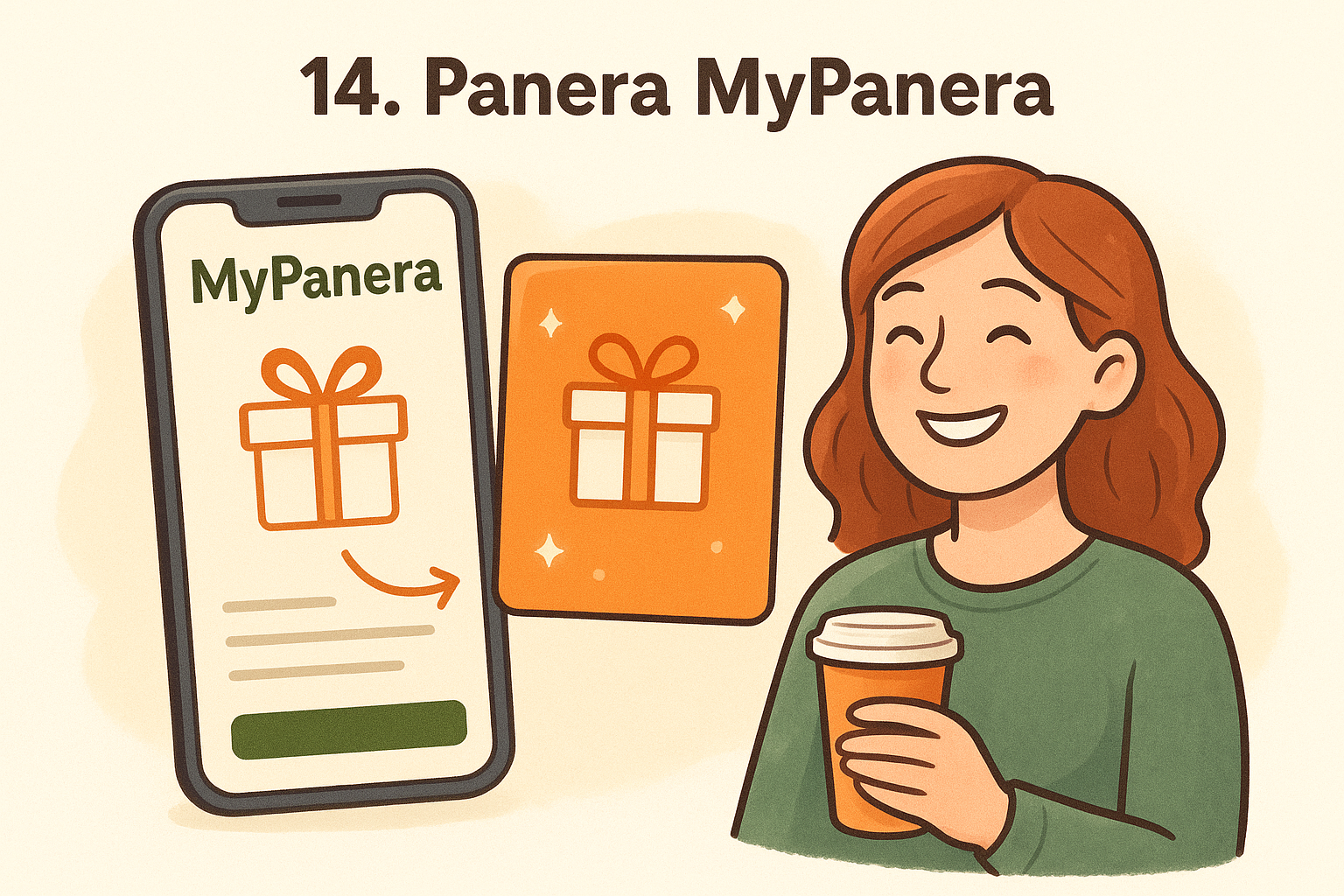
Customers sign up for a free MyPanera account and link it to purchases through the app, website, or in-store scan. Instead of accumulating points, members receive personalized reward offers built around their actual order history, with no fixed redemption threshold to hit.
Best fit for
MyPanera is a proprietary internal program with no licensing option for independent operators. Use it as a reference when designing a behavior-based reward structure that serves each customer offers tied to what they already order from you.
Personalizing rewards based on what a customer already orders makes each offer feel relevant rather than generic.
Standout features to copy
Two elements from MyPanera are worth adapting for your own program:
- Surprise rewards triggered by individual order history rather than a standard points threshold
- A paid subscription add-on (Unlimited Sip Club) that converts loyalty members into recurring monthly revenue
Potential drawbacks
The surprise reward model gives customers no visibility into what they might earn, which can feel arbitrary compared to programs where customers track their own points toward a defined reward.
Pricing and costs
Joining MyPanera is free for customers, with the optional Unlimited Sip Club beverage subscription available as a paid monthly add-on. This program is proprietary and not available to outside operators.
15. Domino's Rewards
Domino's Rewards relaunched in 2023 with a significantly lower points threshold, making it one of the most accessible loyalty programs in the pizza delivery segment. For restaurant owners studying the best loyalty programs for restaurants, it shows how reducing the barrier to a first reward pulls customers back faster and drives stronger enrollment numbers from the start.
How it works
Customers earn 10 points per every qualifying order placed through the Domino's app or website. Once they accumulate 60 points, they redeem for a free menu item. The 2023 relaunch dropped the minimum order value required to earn points, which means customers reach their first reward in fewer visits than the previous version allowed.
Shortening the time between signup and first reward redemption is one of the most effective ways to build early loyalty program momentum.
Best fit for
Domino's Rewards is a proprietary internal program with no licensing option for independent operators. Use it as a reference when setting your own redemption thresholds, specifically to decide how quickly a new member should experience their first tangible reward after joining.
Standout features to copy
- Low per-order point earning tied directly to your branded app and online ordering channel
- A clear and simple redemption structure that customers can track without any confusion about what they are working toward
Potential drawbacks
The program is fully digital, which means customers who prefer calling in orders or ordering at the counter without app engagement earn nothing and fall outside the program entirely.
Pricing and costs
Domino's Rewards is a proprietary internal build with no licensing option available to outside operators.
16. KFC Rewards Arcade
KFC Rewards Arcade is a gamified loyalty program that separates itself from standard points systems by turning reward earning into an actual game. Instead of tracking a points balance toward a fixed redemption, customers play arcade-style games inside the KFC app to win free food and offers. For restaurant owners studying the best loyalty programs for restaurants, it is one of the more distinctive examples of how entertainment mechanics can drive app engagement and repeat ordering behavior at the same time.
How it works
Customers earn game plays by making purchases through the KFC app, and each play gives them a chance to win a free menu item, a discount, or a bonus offer. The arcade format creates a variable reward schedule, which behavioral research consistently shows drives stronger repeat engagement than fixed point thresholds because customers never know exactly what they will win on any given play.
Variable rewards keep customers coming back more consistently than predictable redemption timelines because the outcome stays uncertain enough to feel worth trying again.
Best fit for
KFC Rewards Arcade is a proprietary internal program with no licensing option for independent operators. It works best as a creative reference point when you want to introduce an element of surprise into an otherwise standard loyalty structure.
Standout features to copy
- Game-based reward delivery that makes earning feel different from a routine points transaction
- App-exclusive plays that directly incentivize digital ordering over phone or in-person counter visits
Potential drawbacks
The arcade model requires customers to actively engage with the app beyond just placing an order, which adds friction for customers who prefer a reward applied automatically at checkout.
Pricing and costs
KFC Rewards Arcade is a proprietary internal build with no licensing option available to outside operators.
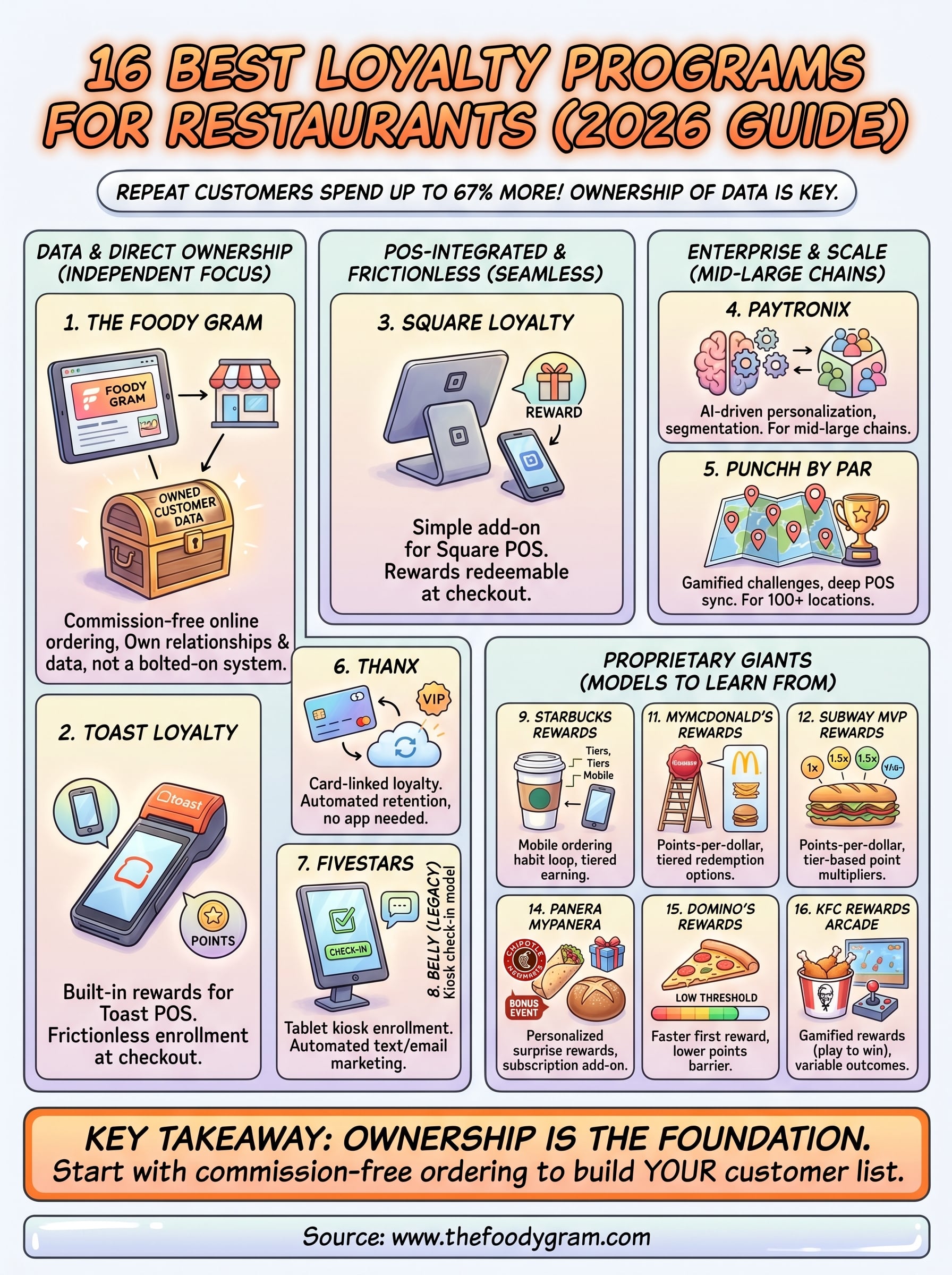
Next steps for your restaurant
You now have a clear picture of what the best loyalty programs for restaurants actually look like in practice, from enterprise platforms built for national chains to proprietary programs run by the biggest names in fast food. The common thread across every program that works is ownership: owning the customer data, the relationship, and the communication channel.
Before you invest in a loyalty tool, make sure your foundation is solid. If customers are ordering through third-party apps, you are building someone else's customer list, not yours. Switching to a commission-free ordering platform gives you the customer data that makes any loyalty strategy worth running in the first place. Check out The Foody Gram's pricing plans to see how much you could save each month while keeping every customer relationship firmly in your hands.