


Restaurant Customer Retention Strategies That Work In 2026
Acquiring a new restaurant customer costs five to seven times more than keeping an existing one. Yet most restaurant owners pour their marketing budgets into attracting first-time guests while ignoring the people who already love their food. If your revenue feels like a revolving door, the problem isn't your menu, it's your restaurant customer retention strategies.
Repeat customers spend more per visit, refer friends without being asked, and forgive the occasional off night. They're the backbone of every profitable restaurant. But loyalty doesn't happen by accident. It takes deliberate systems and genuine connection, from how you collect and use customer data to how you communicate between visits. That's exactly why we built The Foody Gram: to give restaurant owners direct access to their customers through their own branded online ordering website, free from third-party apps that keep that relationship hostage.
This guide breaks down proven retention strategies that independent restaurants are using right now to turn one-time orders into lifelong regulars. Every tactic here is actionable, and most won't cost you a dime beyond the effort to implement them.
1. Build a commission-free direct ordering channel you own
Third-party apps like DoorDash and Uber Eats take 25-30% per order, and they keep your customer data. Every order placed through those platforms is a customer you don't know, can't contact, and can't bring back on your own terms. If you want sustainable retention, the first thing you need to own is the ordering channel itself.
Why owning the ordering experience improves retention
When customers order directly through your website, you control every touchpoint of that experience, from the menu layout to the confirmation message. There's no competing restaurant listed two inches away. Guests stay in your brand environment, which builds familiarity and trust faster than any third-party storefront can.
Restaurants that move even 20% of their order volume to direct channels can see meaningful margin recovery within the first 90 days, without adding a single new customer.
What to set up on your website and ordering flow
Your ordering page needs to load fast, work on mobile, and get customers to checkout in three taps or fewer. Add your logo, photos of real dishes, and a simple upsell prompt at cart review (like adding a drink or dessert). A clear pickup-or-delivery toggle reduces friction and abandonment significantly.
How to use first-party customer data without getting creepy
Every direct order gives you a name, email, and order history. Use that to send a relevant follow-up, not a generic blast. If someone orders your chicken sandwich every Friday, acknowledge that pattern with a message tied to it. Segment by order frequency and menu preferences, not just by who spent the most. Customers respond well when communication feels personal, not surveilled.
Metrics to track and targets to aim for
Focus on three numbers: repeat order rate (aim for 30%+ of monthly orders coming from returning customers), average days between orders, and direct channel order share. If your repeat rate sits below 20%, your retention system needs work. Track these monthly so you can see whether your restaurant customer retention strategies are moving in the right direction before small gaps become big revenue problems.
2. Launch a loyalty program that feels worth it
A loyalty program only works if customers actually want to participate. Most restaurant loyalty programs fail not because of poor design but because guests see no clear reason to sign up or return for a reward. If your program feels like work, people will skip it.
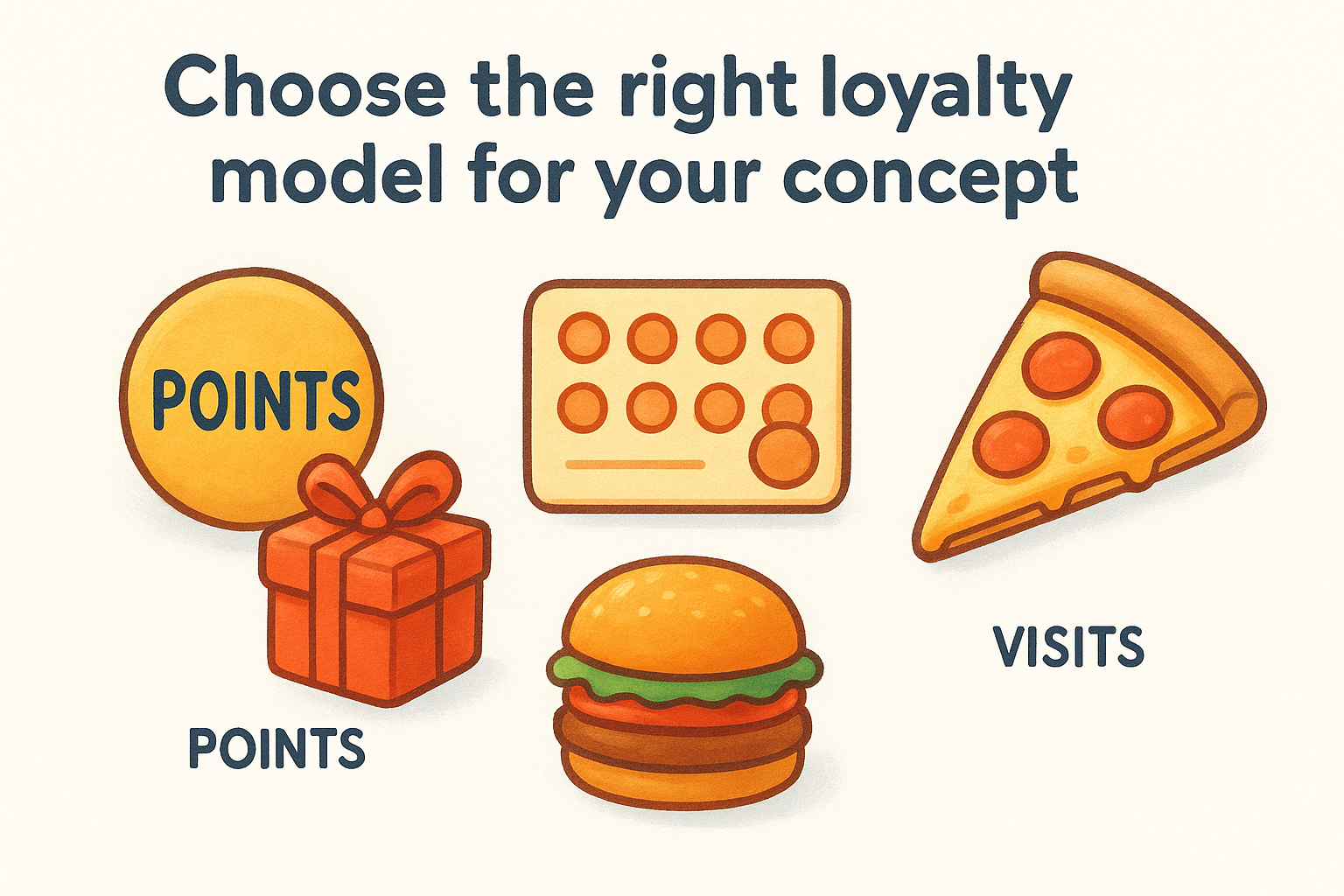
Choose the right loyalty model for your concept
Points-based programs work well for high-frequency concepts like pizza or fast-casual. For full-service or premium casual restaurants, a visit-based stamp card (buy 9, get 1 free) is simpler to explain and faster to reward. Match the model to how often your typical guest actually returns.
Design rewards that drive a second visit fast
The faster a customer earns their first reward, the more likely they are to form the habit of returning.
Give guests a small reward after just two or three visits, not ten. A free appetizer, a drink upgrade, or a discount on their next order each creates a clear incentive to come back soon rather than someday.
Promote enrollment at every touchpoint
Train staff to mention the program at checkout. Put a sign-up prompt on your direct ordering confirmation page and include it in post-order emails. Guests won't search for it, so your restaurant customer retention strategies only pay off if you put the program in front of people every time they interact with your brand.
Mistakes that quietly kill loyalty participation
Complicated point math, rewards that expire too quickly, and programs that require a separate app all crush participation rates. Keep the structure simple and make sure redemption takes no more than two steps.
3. Nail the second-visit conversion with a tight follow-up plan
The window between a customer's first visit and their decision to return closes fast. Most guests forget about a restaurant within 48 hours if you don't give them a reason to think about you again. A structured follow-up plan is one of the most underused restaurant customer retention strategies available to independent owners.
Build a 7-day post-visit follow-up sequence
Send your first message within 24 hours of the order or visit. A simple thank-you with a soft nudge ("We hope you enjoyed it, here's something for next time") outperforms any promotional blast. Follow up on day 5 or 7 with a specific offer tied to what they ordered.
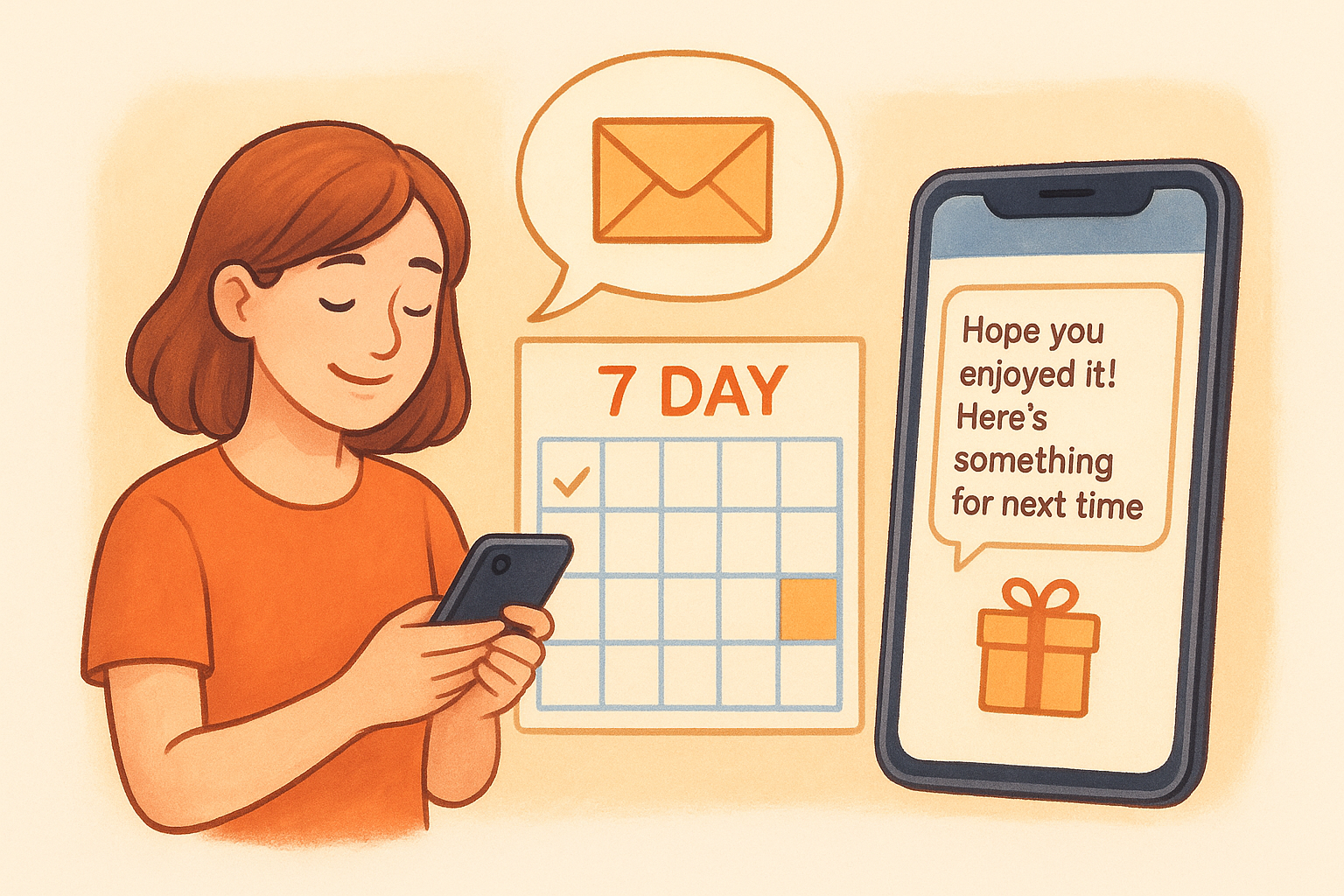
Restaurants that contact customers within 24 hours of their first order see significantly higher second-visit rates than those who wait a week or longer.
Offers and messages that actually pull people back
Skip the generic "10% off your next order." Instead, tie the offer to their actual behavior, like a discount on the item they ordered or a free add-on with their next purchase. Specificity makes the message feel personal rather than automated.
How to time outreach for dine-in vs pickup vs delivery
Dine-in guests respond well to weekend reminders sent Thursday or Friday. Pickup customers tend to order on routine schedules, so match your timing to their pattern. Delivery guests often need a shorter lead time, so same-day or next-day messages convert better.
What to do if you do not have emails or phone numbers yet
Start collecting contact info at every transaction. Add an email field to your direct ordering checkout and train staff to ask for a phone number at the counter. Even a simple paper sign-up sheet at the register gains traction when you do it consistently.
4. Make quality consistent on busy nights, not just slow ones
Inconsistent quality is one of the fastest ways to lose a repeat customer. A guest who had a great experience on a quiet Tuesday but a mediocre one on a packed Saturday night doesn't blame the crowd; they blame your restaurant. Consistent execution is a core pillar of any effective restaurant customer retention strategies plan, and it requires systems that hold up under pressure.
Standardize food quality with simple execution systems
Every dish needs a clear, written recipe card with portion sizes, plating specs, and cook times posted at the station. When a new cook steps in on a packed Friday, they shouldn't be guessing. Laminated prep guides and visual plating references give your team a shared standard they can hit every time.
Consistency beats creativity on most nights. Guests return for the dish they remember, not a variation of it.
Reduce ticket-time surprises without overstaffing
Set clear ticket-time benchmarks for each daypart, like 12 minutes for lunch and 18 for dinner, and review them weekly. When times creep up, identify the specific station causing the bottleneck rather than adding headcount across the board.
Train hospitality behaviors guests remember
Warmth and speed aren't opposites. Train your team on two or three specific behaviors, like greeting within 30 seconds and confirming order accuracy before leaving the table. Simple, repeatable habits stick far better than long service scripts nobody internalizes.
Quick operational audits that reveal retention leaks
Walk your floor and kitchen during peak service, not before or after. Check table wait times, plate consistency, and how your staff handles mistakes in real time. A 15-minute Saturday night audit surfaces more retention problems than any end-of-week review ever will.
5. Personalize the in-store experience without slowing service
Personalization doesn't require a CRM or a complicated system. Small, consistent gestures from your team build the kind of emotional connection that no discount can replicate, and they make personalization one of the most cost-effective restaurant customer retention strategies you can run.
Low-effort ways to recognize regulars
Your staff already knows who comes in every week. Give them permission to act on that knowledge. A simple "the usual?" or remembering a regular's name takes seconds and makes guests feel seen without adding a single step to your service flow.
Personalization scripts for hosts, servers, and cashiers
Scripted personalization isn't robotic if it leaves room for a real response.
Train your team on two or three flexible phrases they can adapt naturally. Something like "Welcome back, what are you in the mood for tonight?" signals recognition without requiring staff to memorize every customer's full order history.
How to handle allergies, favorites, and special occasions
Keep a short note system at the host stand or in your POS for flagged allergies, dietary preferences, and upcoming birthdays. When a guest mentions a special occasion, flag it in their reservation or order notes so the next team member who serves them can acknowledge it without being prompted.
How to keep personalization consistent across locations
Share guest notes across your POS or ordering system so regulars feel recognized at every location, not just their home store. A brief daily pre-shift mention of returning guests keeps your whole team aligned without slowing anyone down before service begins.
6. Use email and SMS to stay top of mind
Email and SMS give you a direct line to your customers that no algorithm can throttle. Unlike social media posts that most followers never see, a text or email lands in front of the person every time, making these channels two of the most cost-effective restaurant customer retention strategies you can build into your operation.
Build your list the right way and stay compliant
Collect opt-ins at every natural touchpoint: your direct ordering checkout, your in-store counter, and your loyalty sign-up flow. For SMS, you must have explicit written consent before texting anyone. Following federal commercial messaging rules protects your business and keeps your sender reputation intact from day one.
What to send and how often in 2026
Send one to two emails per week and no more than two SMS messages per month. Tie each message to something specific: a new menu item, a weekly special, or a relevant offer based on their order history. Generic blasts get ignored; specific messages get clicks.
Relevance beats frequency every time. One well-timed message tied to a guest's actual behavior outperforms five untargeted blasts.
Automations that drive repeat orders on autopilot
Set up a welcome sequence for new subscribers and a re-engagement trigger for anyone who hasn't ordered in 30 days. These automations run without your daily involvement and consistently pull customers back into your ordering flow.
How to avoid fatigue, unsubscribes, and spam complaints
Honor unsubscribe requests immediately and keep your sender reputation clean. If your open rates drop below 20%, reduce send frequency before increasing it. Respecting your guests' inboxes signals that every message you do send is actually worth their time.
7. Win back customers before they churn
Most restaurants wait until a guest stops coming entirely before they do anything about it. By then, the window has already closed. Proactive win-back campaigns give you a chance to re-engage customers while they still remember you, and that timing makes all the difference in keeping your restaurant customer retention strategies from stalling out.
Define churn for your restaurant and ordering patterns
Churn looks different depending on your concept. A pizza customer who orders every two weeks is showing a red flag if they go 45 days without ordering. A brunch spot guest who visits monthly may not need follow-up until 60 or 75 days have passed. Set a churn threshold based on your actual average order cadence, not an arbitrary number.
Create a simple win-back campaign that works
A single, well-timed win-back message sent at the right moment outperforms a string of ignored promotions sent too late.
Your first win-back message should acknowledge the gap and offer one clear reason to return, like a limited item they ordered before or a small incentive tied to their history. Keep the message short and direct.
Segment win-back messages by behavior, not demographics
A customer who ordered three times in two months and then disappeared needs a different message than someone who ordered once six months ago. Group lapsed guests by recency and frequency so your outreach matches what actually drove their original visits.
When to stop discounting and switch to value messaging
If a guest doesn't respond to two discount-based messages, stop sending discounts. Switch to content that highlights what's new, what's seasonal, or what makes your restaurant worth returning to. Discounting trained guests to wait for a deal, but value messaging reminds them why they came in the first place.
8. Collect feedback and fix the right problems first
Feedback is one of the most underused tools in restaurant customer retention strategies. Most guests who have a bad experience won't complain to your face; they just won't come back. Building a deliberate feedback system closes that gap and gives you the chance to fix issues before they cost you repeat business.
Where to ask for feedback and when to ask
Ask for feedback immediately after the experience, not days later. A short two-question survey in your post-order confirmation email, a QR code on your receipt, or a quick prompt at checkout all work well. Timing matters more than channel, so catch guests while the visit is still fresh.
How to respond to complaints so people return
A guest who receives a genuine response to a complaint is more likely to return than one who never had a problem at all.
Reply to every negative review within 24 hours, acknowledge the specific issue, and offer a concrete resolution. Skip the scripted apology and address what actually went wrong. Personal, direct responses signal that you take guest experience seriously.
Turn feedback into weekly changes your team can execute
Review feedback every Monday morning and pull out the top two or three recurring complaints. Bring those specific issues to your pre-shift meeting and assign a clear owner to fix each one. Small weekly adjustments compound into significantly better guest experiences over time.
Build a closed-loop process that prevents repeat issues
Track each complaint you receive and log whether the fix held up over the following two weeks. If the same issue resurfaces, the root cause hasn't been solved. A simple tracking sheet reviewed weekly keeps your team accountable and prevents the same problems from draining retention long-term.
9. Create reasons to return beyond discounts
Discounts work, but they train guests to wait for a deal before they visit. The strongest restaurant customer retention strategies build reasons to return that have nothing to do with price, so your regulars keep coming back whether or not there's an offer in their inbox.
Use limited-time specials without training guests to wait
Rotate specials on a short, unpredictable cycle so guests can't time their visits around a recurring deal. A weekly feature tied to a seasonal ingredient or a chef's personal pick creates genuine curiosity that pulls people in without conditioning discount-seeking behavior.
Scarcity drives action when it's real. A dish that sells out creates more urgency than any coupon ever will.
Run events that strengthen community and habit
Weekly or monthly events, like a trivia night, a winemaker dinner, or a family cooking class, give guests a reason to return that's tied to experience rather than savings. Events build emotional attachment to your space and turn occasional visitors into regulars with a standing calendar appointment.
Add retention-focused perks for pickup and delivery guests
Surprise a returning pickup customer with a free add-on or early access to a new menu item. Small, unexpected gestures signal that you notice loyalty without requiring a formal program to deliver the benefit.
Turn seasonal traffic spikes into long-term regulars
Capture contact information during your busiest periods, like holidays or local events, and follow up once the rush fades. A well-timed message in a slower week reminds those guests that your restaurant is worth visiting beyond the occasion that brought them in the first time.
Keep guests coming back
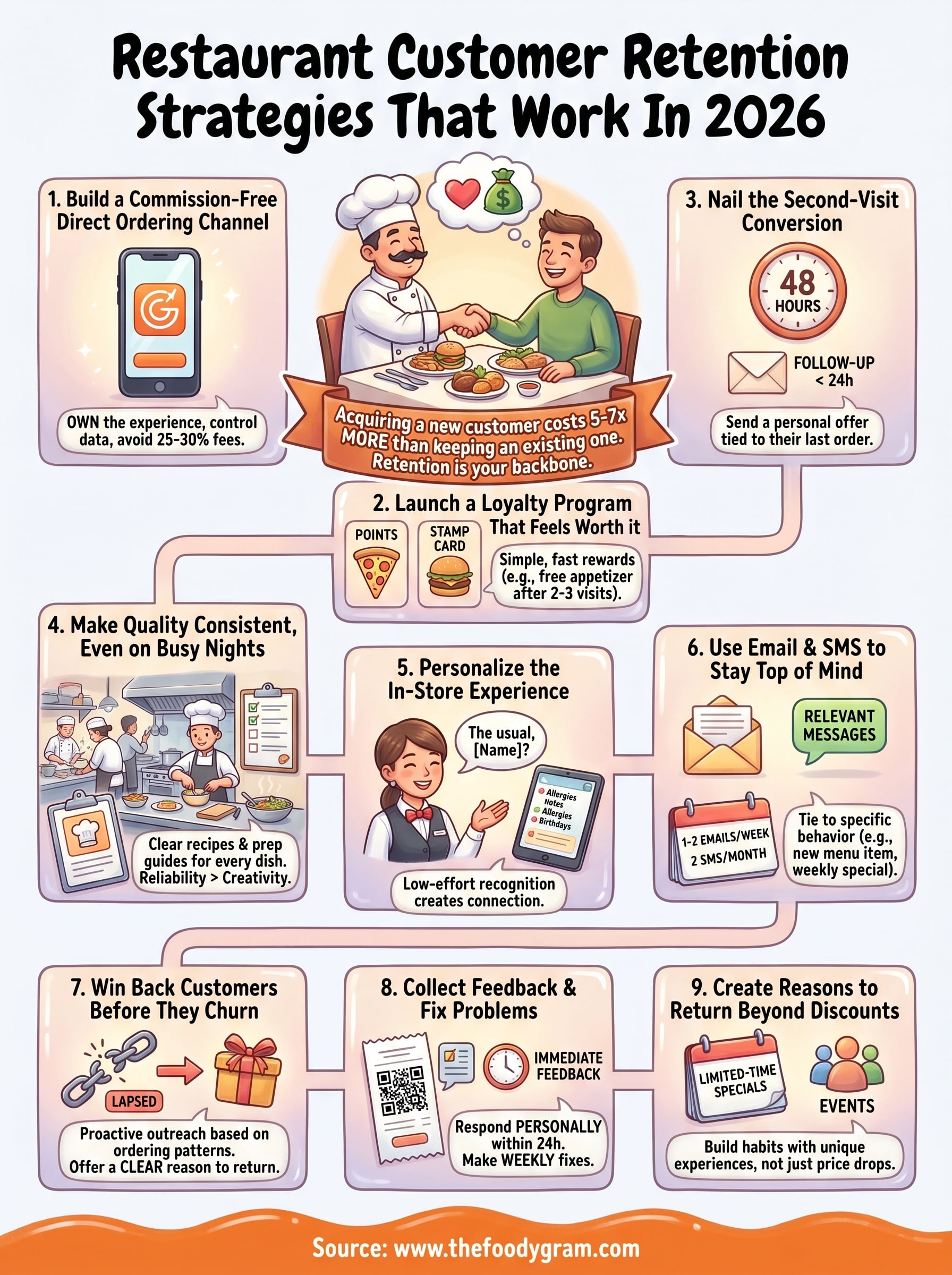
The nine restaurant customer retention strategies in this guide work best when you treat them as a system rather than a checklist. Each one reinforces the others: a solid direct ordering channel feeds your email list, your email list powers your win-back campaigns, and consistent food quality gives every other effort something worth returning for.
Start with two or three strategies that fit your current operation and build from there. Small, consistent improvements compound quickly, and you don't need a large budget to see results. What you do need is a direct line to your customers that you actually own.
That starts with your own branded ordering website, free from third-party commissions and the data blackout that comes with them. If you're ready to take back control of your customer relationships, see what The Foody Gram offers and what it costs and start building the repeat business your restaurant deserves.