


5 Online Reservation Systems for Restaurants That Work 2026
Empty tables during peak hours aren't just frustrating, they're expensive. A reliable online reservation system for restaurants can fix that by letting customers book directly, reducing no-shows, and keeping your front-of-house running smoothly. But with dozens of platforms out there, picking the right one takes more than a quick Google search. You need something that actually fits how your restaurant operates, not just what looks good on a sales page.
At The Foody Gram, we build commission-free online ordering websites for restaurants, and our platform includes built-in reservation and pre-order functionality. So we know firsthand what restaurant owners need from these tools, and where most options fall short. That perspective shapes every recommendation in this guide.
Below, you'll find five reservation systems worth considering in 2026. We broke down their features, pricing, and ideal use cases so you can compare them side by side and make a decision based on your restaurant's size, budget, and workflow. No fluff, just the details that matter when you're choosing software your staff will use every day.
1. The Foody Gram
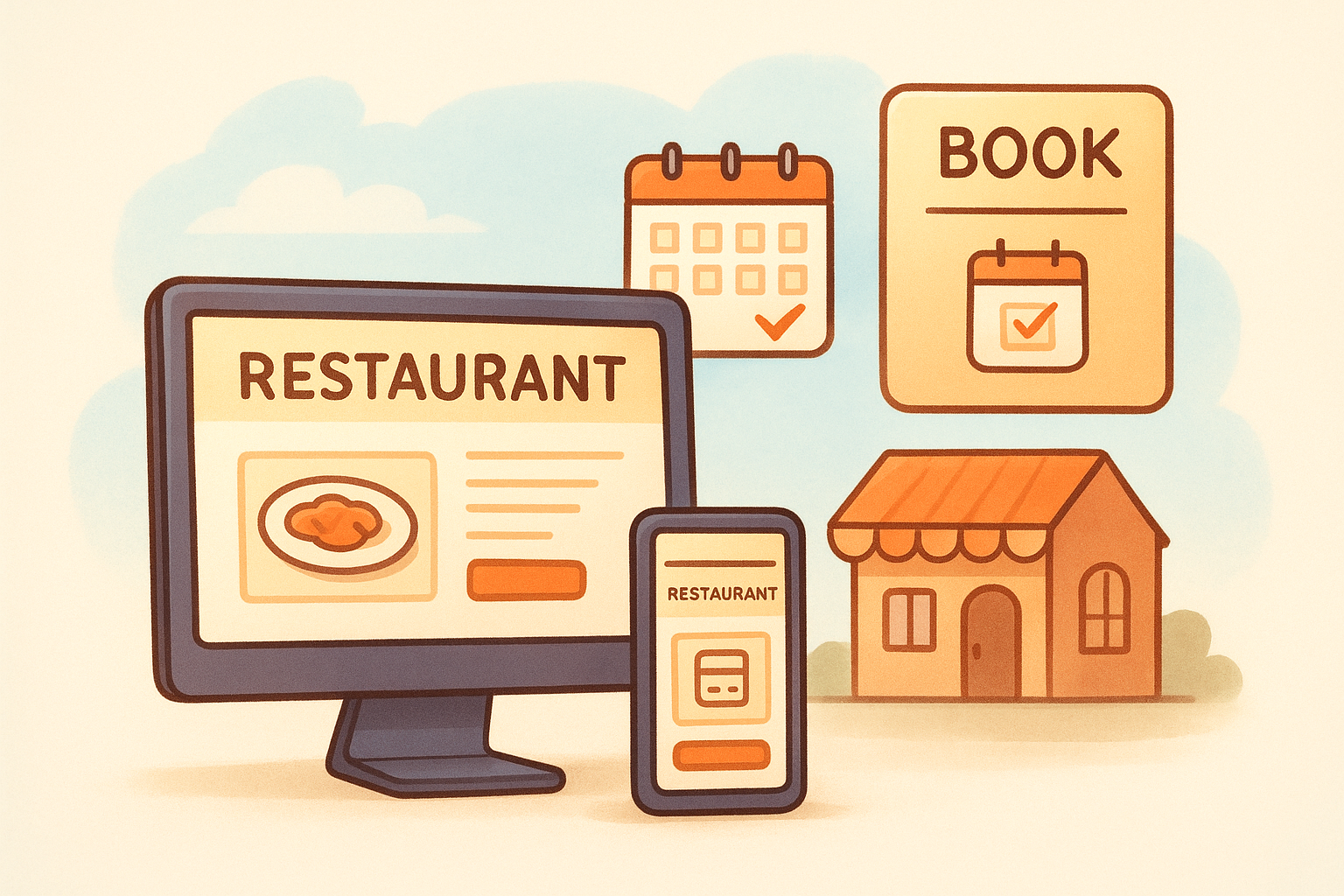
The Foody Gram is a commission-free online ordering platform that also includes built-in reservation and pre-order tools. Unlike most reservation systems that exist as standalone products, this platform connects your reservation flow directly to your ordering system and branded restaurant website, so everything runs through one dashboard.
What it is and how it works
When you sign up, The Foody Gram builds you a custom branded restaurant website and ties your reservation requests, pre-orders, and online ordering into a single system. Customers book directly through your site, and you manage everything from one dashboard. There are no third-party marketplaces involved, which means you own the customer data from every reservation and order placed.
Best fit for
This platform works best for independent restaurants and small groups that want to handle reservations, pre-orders, and online ordering in one place without juggling multiple subscriptions. If you currently pay commission to delivery apps and want to cut that cost while adding a real online reservation system for restaurants, The Foody Gram addresses both problems at once.
Standout features for reservations and guest flow
The platform supports pre-orders and reservations alongside standard pickup and delivery ordering. Customers can reserve a table or place an order ahead of their visit, and you see all of it in your real-time order dashboard. The system also includes kitchen ticket printing, so reservations and pre-orders feed directly into your prep workflow without extra steps.
If you want reservations and online ordering to work together instead of separately, this setup removes a lot of unnecessary friction.
Setup, website, and ordering tie-ins
Your website goes live within 48 to 72 hours, including menu uploads handled by The Foody Gram team. You don't need technical experience to get started since the company manages the build for you. Your reservation tool lives on the same branded site as your ordering system, so customers never leave your site to book a table.
Pricing and plan considerations
Plans run from $159 to $199 per month depending on your tier. There are no setup fees, no per-reservation charges, and no contracts. The platform also offers a 45-day money-back guarantee, which gives you time to test it before committing long-term.
2. OpenTable
OpenTable is one of the most widely recognized names in restaurant reservations. The platform combines a consumer-facing marketplace with a restaurant management system, giving you both a booking tool and access to a large audience of diners actively searching for places to eat.
What it is and how it works
Restaurants list their availability on OpenTable's network, and diners book directly through the app or website. The system manages confirmations, reminders, and cancellations automatically, which reduces the manual follow-up your staff would otherwise handle.
Best fit for
This platform suits full-service restaurants that want exposure through a high-traffic booking marketplace. If discovery from new diners matters to your business and you want a well-known online reservation system for restaurants, OpenTable's network size works in your favor.
Standout features for discovery and demand
OpenTable's biggest strength is its guest discovery network, which brings new diners to your restaurant directly from within the app. You can also run promotional offers to fill slower shifts and attract first-time visitors without running separate ad campaigns.
The marketplace exposure is valuable, but it comes with per-cover costs that add up quickly at higher booking volumes.
Integrations, floor plans, and guest notes
The platform supports floor plan management and detailed guest profiles, including dining preferences and visit history. It also integrates with several POS systems, which simplifies passing data between your front and back of house.
Pricing and per-cover fees to watch
OpenTable charges a monthly subscription fee plus a per-cover charge for diners booked through the marketplace. Those per-cover fees can grow fast at high volume, so run the numbers based on your expected monthly bookings before signing up.
3. Resy
Resy started as a boutique reservation platform for high-demand restaurants and grew into a full-featured online reservation system for restaurants. American Express acquired it in 2019, adding significant consumer visibility and resources to the platform.
What it is and how it works
Resy gives you a web and app-based booking system where guests reserve tables through your restaurant's page or the Resy consumer app. The platform handles confirmations and reminders automatically, and your team manages the floor from the ResyOS dashboard in real time.
Best fit for
This platform works best for high-volume restaurants where demand regularly exceeds available seating. If your restaurant runs with tight reservation windows and frequent waitlists, Resy's tools are built around that specific pressure.
Standout features for high-demand seating
The system gives you granular control over your seating inventory, including the ability to release tables in batches and manage peak periods without constant manual input. You can configure custom booking rules per shift, which helps balance demand without overwhelming your kitchen.
If your tables fill fast, Resy's pacing controls give you more precision than most platforms offer.
Waitlist, pacing, and guest messaging
Resy includes a built-in waitlist tool that lets guests join remotely and receive text updates on their status. Pacing controls help you spread covers across service, so your kitchen does not get slammed at the start of each shift.
Pricing and contract considerations
Plans are priced as a monthly subscription fee that varies by restaurant size. Unlike some competitors, Resy does not charge per-cover fees for bookings made through its network, which makes costs more predictable at higher reservation volumes.
4. Toast Tables
Toast Tables is the built-in reservation and waitlist tool from Toast, one of the most widely used restaurant POS providers in the country. If your restaurant already runs on Toast's point-of-sale system, this online reservation system for restaurants connects directly to the infrastructure you already use.
What it is and how it works
Toast Tables lets guests book through your Toast-powered website or a direct booking link, and all reservation data flows into the same system your staff uses for payments and order management. Confirmations and reminders go out automatically, which reduces no-show rates without adding work for your front-of-house team.
Best fit for
This platform fits Toast POS users who want tight integration between their reservation tool and existing operations. Restaurants that do not currently use Toast will need to adopt the full POS platform first, which makes it a less practical choice if you are happy with your current setup.
Standout features for POS-connected operations
Because Toast Tables shares data with the POS, your staff can see guest spending history and visit frequency directly within the reservation view. That context helps servers prepare for returning guests without relying on separate notes or memory.
The POS connection is genuinely useful, but it only delivers full value if Toast handles your payments too.
Table management, turns, and shift visibility
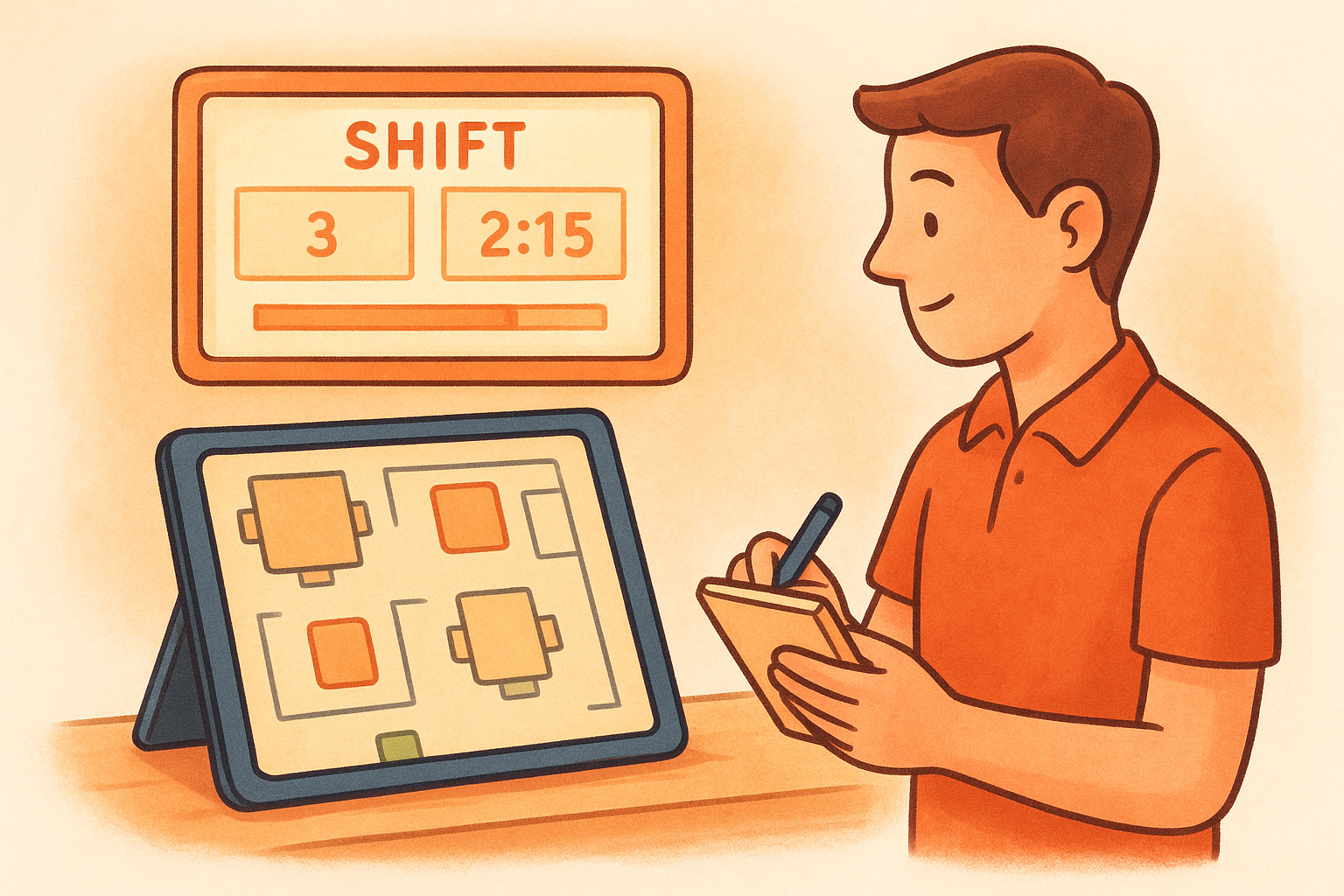
The platform includes a visual floor plan tool where you manage seating assignments and track table turns in real time. Your team can see cover counts and shift pacing at a glance, which helps you avoid bottlenecks during busy services.
Pricing and bundle considerations
Toast Tables pricing is tied to your Toast subscription plan, and costs vary based on the features included in your bundle. Restaurants already paying for Toast's POS get the most value here, while adding the full system from scratch means evaluating total platform costs, not just the reservation module alone.
5. Yelp Guest Manager
Yelp Guest Manager combines waitlist management and reservation tools with Yelp's existing restaurant discovery platform. If your restaurant already appears on Yelp, this online reservation system for restaurants lets you convert that traffic into confirmed bookings without sending customers elsewhere.
What it is and how it works
The platform handles reservations, waitlists, and front-of-house management through a single system. Guests can join your waitlist or book a table directly from your Yelp listing, and the platform sends automated text updates to keep them informed about their status.
Best fit for
This platform works best for casual and fast-casual restaurants that already generate strong traffic through Yelp reviews. If you want to turn Yelp visitors into seated guests without adding a separate booking link, the integration removes that extra step.
Standout features for waitlist and texting
The platform's text-based waitlist system lets guests join remotely and receive updates without standing in your lobby. You can also manage party sizes and estimated wait times from a tablet at the host stand.
The remote waitlist feature is especially useful during peak hours when your entrance would otherwise back up.
Leveraging Yelp traffic without losing control
Your Yelp listing drives the bookings, but you control availability and seating rules through the dashboard. Guest data from reservations stays within your account, so you are not handing customer information over to a third party.
Pricing and ad-related considerations
Yelp Guest Manager charges a flat monthly fee, but Yelp's broader ecosystem includes paid advertising options that can create pressure to spend beyond your subscription. Make sure you understand exactly what is included before you commit.
Next Steps
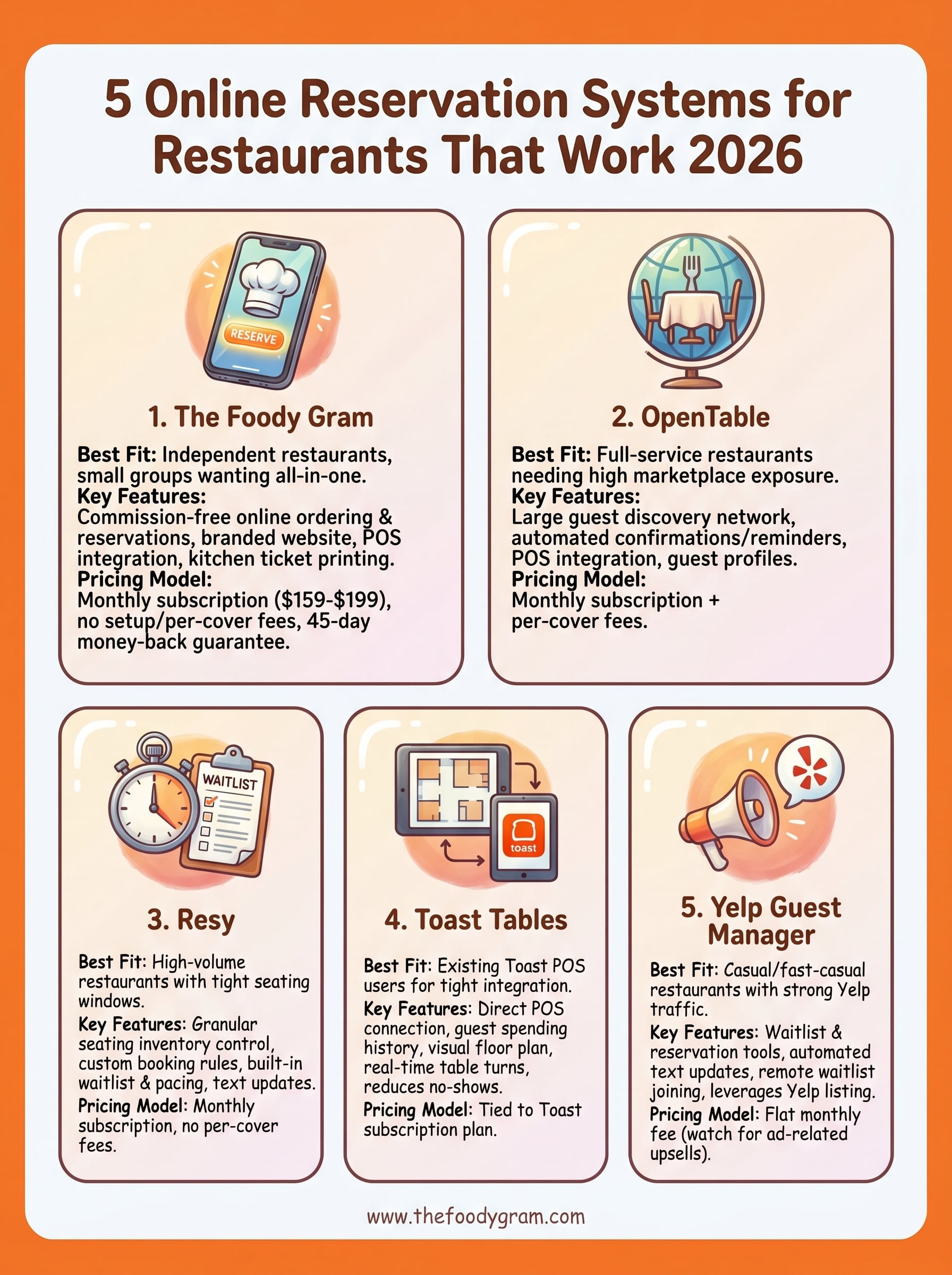
Each platform on this list solves a real problem, but the right online reservation system for restaurants depends on what your operation actually needs. If you already use Toast, Toast Tables is a natural fit. If discovery from new diners matters most, OpenTable or Yelp Guest Manager make sense. If you run a high-demand restaurant with tight seating windows, Resy gives you the control you need.
For independent restaurants that want reservations, pre-orders, and commission-free ordering under one roof, The Foody Gram handles all of it through a single platform with no per-cover fees, no setup costs, and no contracts. Your branded website goes live within 48 to 72 hours, and the 45-day money-back guarantee means you can test it without risk.
Ready to see what fits your budget? Check out The Foody Gram's pricing plans and find the tier that works for your restaurant.