


5 Best Smartphones for Food Photography in 2026
Your menu photos sell your food before a customer ever tastes it, and the right phone camera makes that job a lot easier. If you're hunting for the best smartphone for food photography, you're probably tired of grainy, yellow-tinted shots that make your best dish look like leftovers. That's a real problem when those same photos end up on your website, your Instagram, and your online ordering page.
This guide skips the marketing fluff and ranks five phones based on what actually matters for shooting plates under restaurant lighting: true-to-life color accuracy, close-focus sharpness for texture and steam, and low-light performance for dinner service. We tested against real kitchen conditions, not studio setups, so the picks reflect what you'll get on a busy Friday night.
We built this list because at The Foody Gram, we help restaurants run commission-free online ordering through their own branded website, and great photos are what turn browsers into orders. Pick the right phone here, and you'll have images ready to upload straight to your menu today.
1. iPhone 17 Pro Max
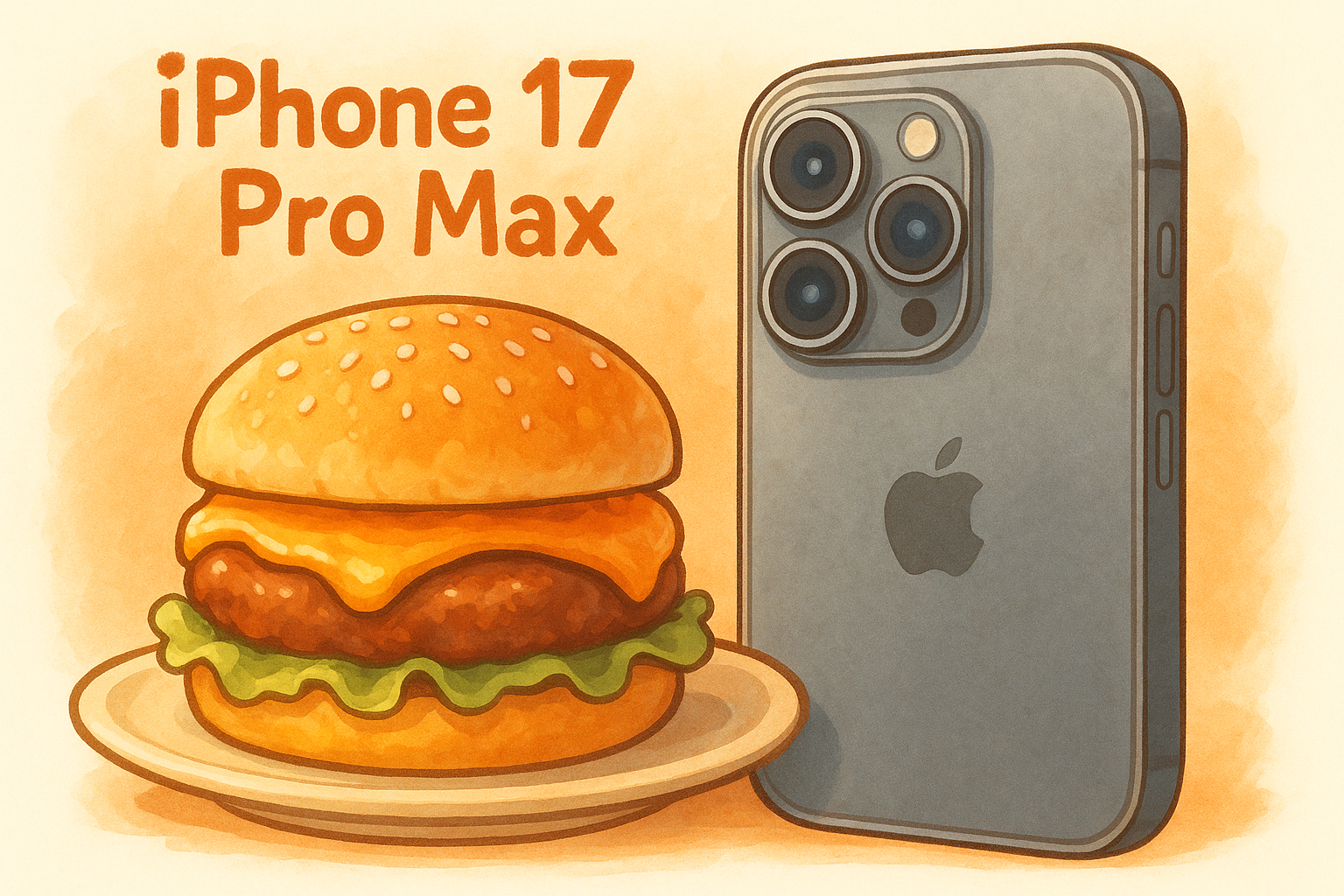
Apple's flagship still sets the bar for restaurant photography, and the 17 Pro Max pushes that lead further with a redesigned sensor stack built for close-up detail. Color accuracy stays true under warm pendant lights, which matters more than megapixels when you're shooting a burger under amber bulbs.
Key camera specs
The 17 Pro Max carries a 48MP main sensor with an f/1.78 aperture, a 5x telephoto lens, and an ultra-wide camera tuned for macro shots down to 2 centimeters. Sensor size and the updated Photonic Engine handle mixed lighting better than any previous iPhone.
| Spec | Detail |
|---|---|
| Main sensor | 48MP, f/1.78 |
| Macro distance | 2cm |
| Video | 4K ProRes at 60fps |
| RAW support | Apple ProRAW |
Standout features for food shots
Apple's macro mode captures steam rising off pasta or the crunch texture on fried chicken without the mushy softness you get from older phones. ProRAW capture gives you editing flexibility if a dish photographs a little flat straight out of the camera.
If your menu photos need to survive zooming in on a delivery app thumbnail, this is the camera that holds up.
Deep Fusion still processes fine detail like sesame seeds or herb garnish better than competitors, and the tone mapping avoids that orange-tinted look common under kitchen lighting.
Who it's best for
Restaurant groups managing photos across multiple locations benefit most here, since consistent color science means your dishes look the same whether shot in Reno or Honolulu. Owners already inside Apple's ecosystem will also appreciate seamless AirDrop transfers straight to a laptop for menu uploads.
Price
Expect to pay starting around $1,199 for the base storage tier, with financing options through Apple or your carrier if the upfront cost is a stretch for a small operation.
2. Google Pixel 10 Pro
Google's computational photography still wins over raw hardware specs, and the Pixel 10 Pro proves it with software that fixes lighting problems before you even tap the shutter. Computational processing handles the mixed lighting in most dining rooms better than phones with bigger sensors, since it's built for exactly that kind of chaos.
Key camera specs
The Pixel 10 Pro runs a 50MP main sensor with an f/1.68 aperture, paired with a 48MP ultra-wide and a 5x telephoto lens. Tensor G5 chip processing kicks in the moment you open the camera app, adjusting exposure across the frame in real time.
Standout features for food shots
Magic Editor lets you swap out a distracting background or brighten a shadowed side dish without touching a laptop. Real Tone accurately renders sauces and proteins across the color spectrum, which matters if your menu spans multiple cuisines.
Skip the editing software entirely, since Magic Editor fixes lighting problems right on your phone.
Who it's best for
Solo owners who shoot, edit, and post their own photos will move fastest here, since on-device editing skips a separate app entirely.
Price
Pricing starts around $999 through Google.
3. Samsung Galaxy S26 Ultra
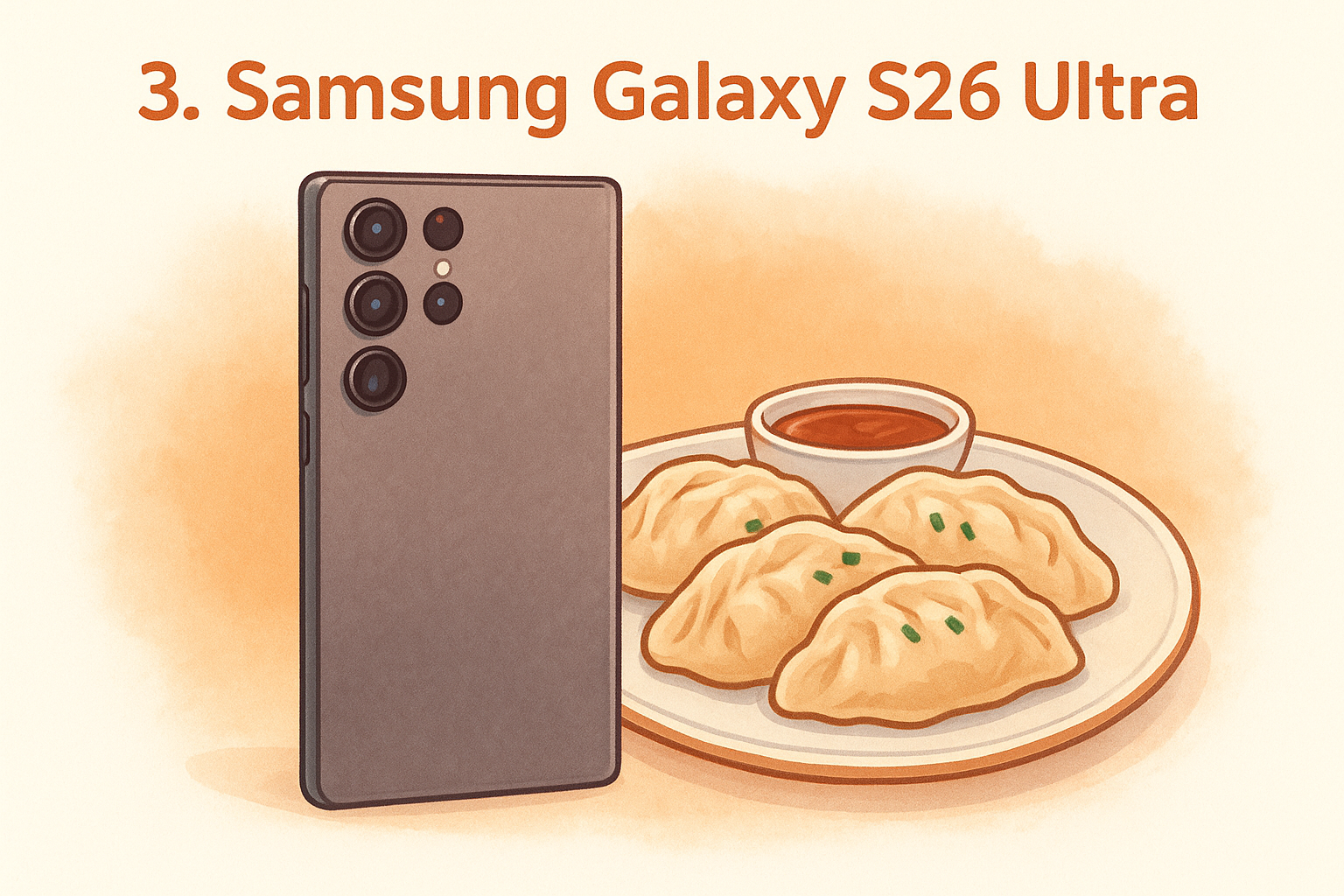
Samsung's Ultra line has always chased detail over subtlety, and the S26 Ultra keeps that reputation with a sensor built for punchy, high-contrast plating shots. 200MP resolution gives you room to crop tight on a single dumpling without losing sharpness, which matters when you need square crops for Instagram and wide banners for your website on the same shoot.
Key camera specs
The main camera runs a 200MP sensor at f/1.7, backed by a 50MP telephoto and a 12MP ultra-wide. Adaptive pixel binning switches automatically based on available light, so you get usable low-light shots without manually toggling modes.
Standout features for food shots
Expert RAW mode gives full manual control over white balance, which fixes the blue cast fluorescent kitchen lighting often creates. Samsung's Scene Optimizer now recognizes food specifically and boosts saturation on sauces without oversaturating skin tones in staff photos.
A phone that lets you crop tighter without losing detail saves you from reshooting a dish twice.
Who it's best for
Owners who want manual control alongside automatic convenience will get the most value, especially those cropping one photo for multiple platforms.
Price
The S26 Ultra starts around $1,299 through Samsung.
4. Xiaomi 15 Ultra
Xiaomi built its reputation on partnering with Leica for color science, and the 15 Ultra brings that same lens engineering to a phone most American restaurant owners haven't tried yet. Leica optics give food shots a natural contrast that avoids the oversharpened look some Android phones default to straight out of the camera.
Key camera specs
The 15 Ultra runs a 50MP main sensor at f/1.63 with a variable aperture, plus a 200MP periscope telephoto and a dedicated macro-capable ultra-wide. Variable aperture control lets you manually stop down for depth of field on a hero shot, something most phones in this price range skip entirely.
Standout features for food shots
The Leica Authentic Look color profile renders sauces and char marks with a filmic depth that flat smartphone processing usually smooths away.
A phone that lets you control aperture like a real camera gives your plating shots depth your competitors' menu photos won't have.
The telephoto lens doubles as a flattering portrait lens for staff photos on your About page.
Who it's best for
Owners who already shoot with a dedicated camera and want that same manual control in their pocket will feel most at home here.
Price
The Xiaomi 15 Ultra runs around $1,099, though US availability depends on importers since Xiaomi doesn't sell direct in every region yet.
5. OnePlus 13
OnePlus rounds out this list as the value pick, and the 13 proves you don't need a four-figure price tag to shoot menu-ready photos. Hasselblad tuning carries over from prior models, giving you color output that leans natural instead of the punchy oversaturation some budget Android phones default to.
Key camera specs
The OnePlus 13 packs a 50MP main sensor at f/1.6, a 50MP ultra-wide, and a 50MP telephoto with 3x optical zoom. Triple 50MP setup means you're not stuck with a weak secondary lens for wide dining room or plating shots.
Standout features for food shots
Hasselblad's color calibration keeps browns and reds from blowing out on grilled meats, a common failure point on cheaper sensors.
Consistent color across every lens means fewer surprises when you switch from a close-up to a wide shot.
The dedicated camera button gives you a physical shutter, faster than tapping a screen when a dish is only plated for seconds.
Who it's best for
Owners on a tighter budget who still want a real telephoto lens for plating detail get the best value here.
Price
The OnePlus 13 starts around $899 through OnePlus.
Picking the right phone for your menu photos
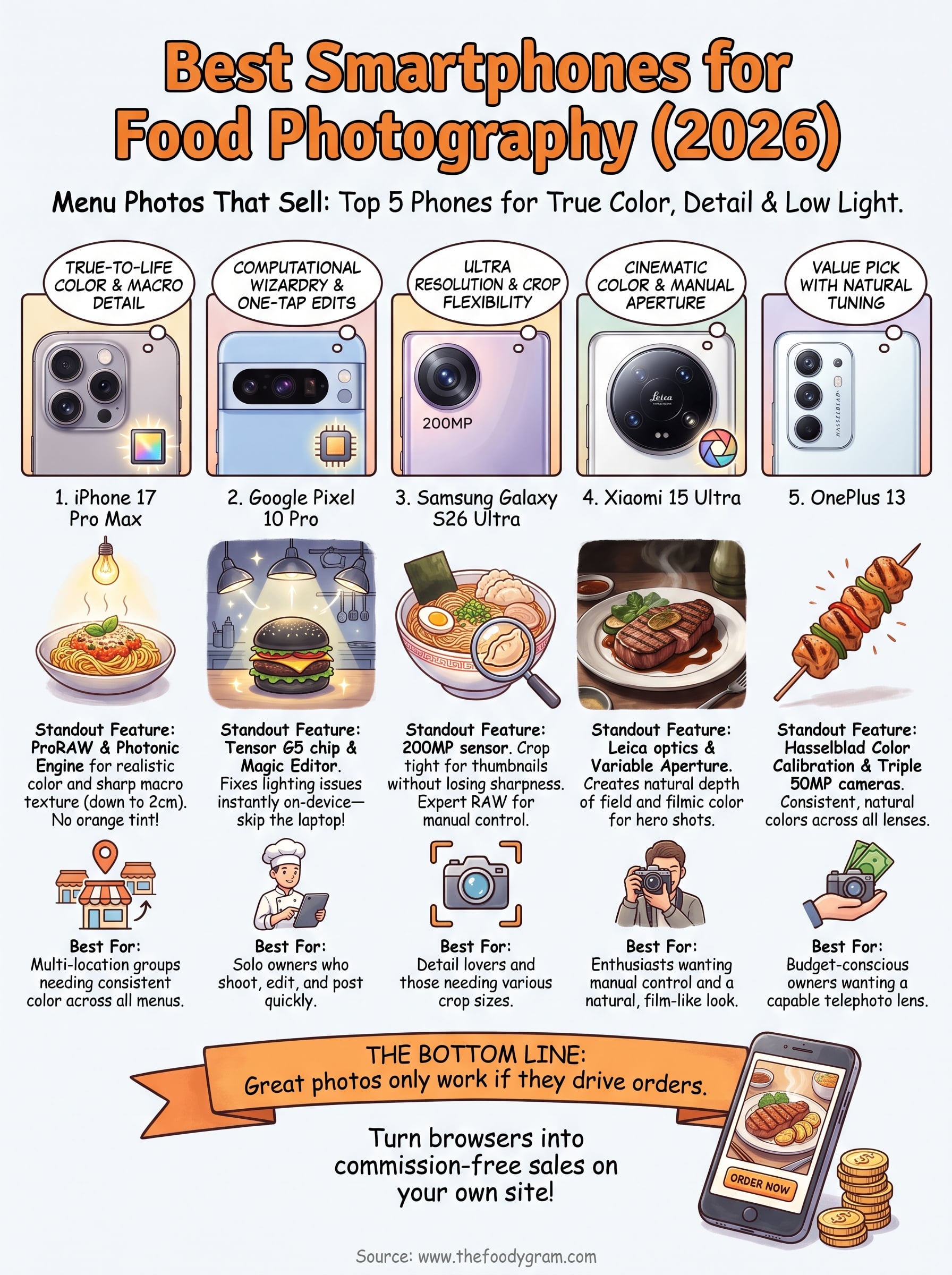
Any of these five phones will shoot better food photos than what's probably on your menu right now. The iPhone 17 Pro Max wins if you run multiple locations and want consistent color science. The Pixel 10 Pro wins if you're a solo owner who wants editing done for you. The Galaxy S26 Ultra, Xiaomi 15 Ultra, and OnePlus 13 each fill a gap between manual control, cinematic color, and budget-friendly value.
Whatever you pick, remember the camera is only half the job. Great photos only pay off if customers can actually order from them without a delivery app taking 30% off the top. Once you've got shots you're proud of, put them where they'll actually drive revenue instead of just likes. Check out our pricing and see how a commission-free ordering site turns those new photos into real orders.